The Riveting History of the Printing Press
History of the printing press

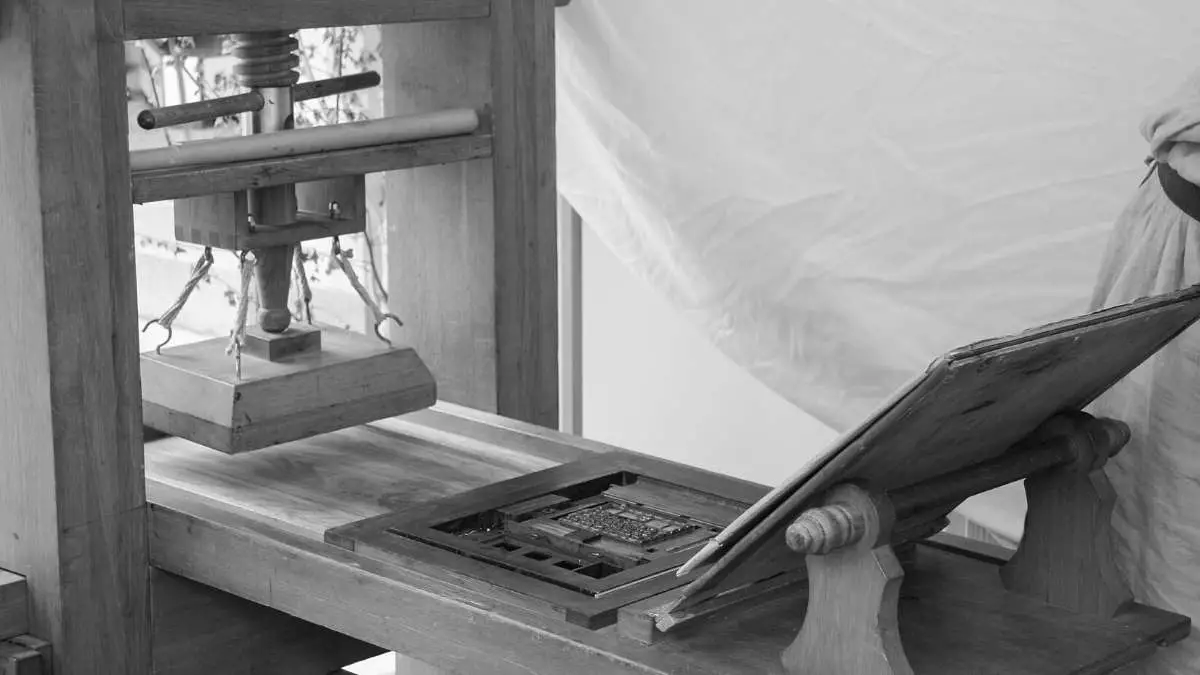
Introduction The printing press turned books from rare, hand-copied objects into affordable goods, and in doing so changed how knowledge spreads. This article traces printing from Chinese woodblocks and Korean metal type through Gutenberg, the steam press and offset lithography to digital and print-on-demand printing, and asks what each step meant for publishing. Key points … Read more

The Intriguing History of Blogging

History of blogging

Introduction The write-up explores the intriguing history of blogging, a niche hobby that was transformed into a defining medium of the digital age. Simply put, a blog is an online journal updated regularly with posts covering any topic imaginable. Beyond personal diaries, blogs have become influential platforms for spreading ideas, driving conversations, and reporting news. … Read more

How Lithography Transformed Publishing

How lithography transformed publishing

Introduction Lithography, invented by Alois Senefelder in Munich in the 1790s, made it cheap to print detailed images by exploiting the fact that oil and water do not mix. This article explains how the process works, how it reshaped books, posters, maps, and magazines, and why its offset descendant still prints most long-run books today. … Read more

Common Issues in Academic Publishing

Common issues in academic publishing

Introduction Publishing research is critical for academics. It allows scholars to share discoveries, build reputations, and advance careers. However, researchers often face obstacles in getting their work published. The write-up discusses common issues in academic publishing and how scholars can overcome the barriers and empower research. Academic Publishing and Its Importance Academic publishing is the … Read more

How to Cite Journal Articles Accurately

How to cite journal articles accurately

Introduction The write-up guides on how to cite journal articles accurately. Properly citing sources is a fundamental part of academic writing and scholarly communication. By crediting the original authors of ideas, facts, and quotes used in your work, citations serve the vital purpose of giving credit where credit is due. If your source has several … Read more